Asphalt surfaces, ubiquitous in our daily lives as roads, driveways, and parking lots, are subjected to a barrage of elements year-round. Over time, these surfaces start showing signs of wear and tear, primarily in the form of cracks. Timely crack sealing is an imperative aspect of asphalt maintenance.
Understanding Crack Sealing Crack sealing is a preventive measure aimed at addressing small fissures before they escalate into more extensive and expensive issues. It involves the application of specialized sealants to prevent moisture intrusion and crack expansion due to temperature fluctuations.
Importance of Crack Sealing
- Preserving Structural Integrity: Cracks allow water to seep beneath the surface, leading to erosion of the base and compromised structural integrity.
- Preventing Further Damage: The freeze-thaw cycle exacerbates cracks. Crack sealing acts as a barrier, preventing this cycle.
- Cost-Efficiency: Addressing small cracks through sealing is significantly more cost-effective than neglecting them.
Asphalt Maintenance and Parking Lot Repair
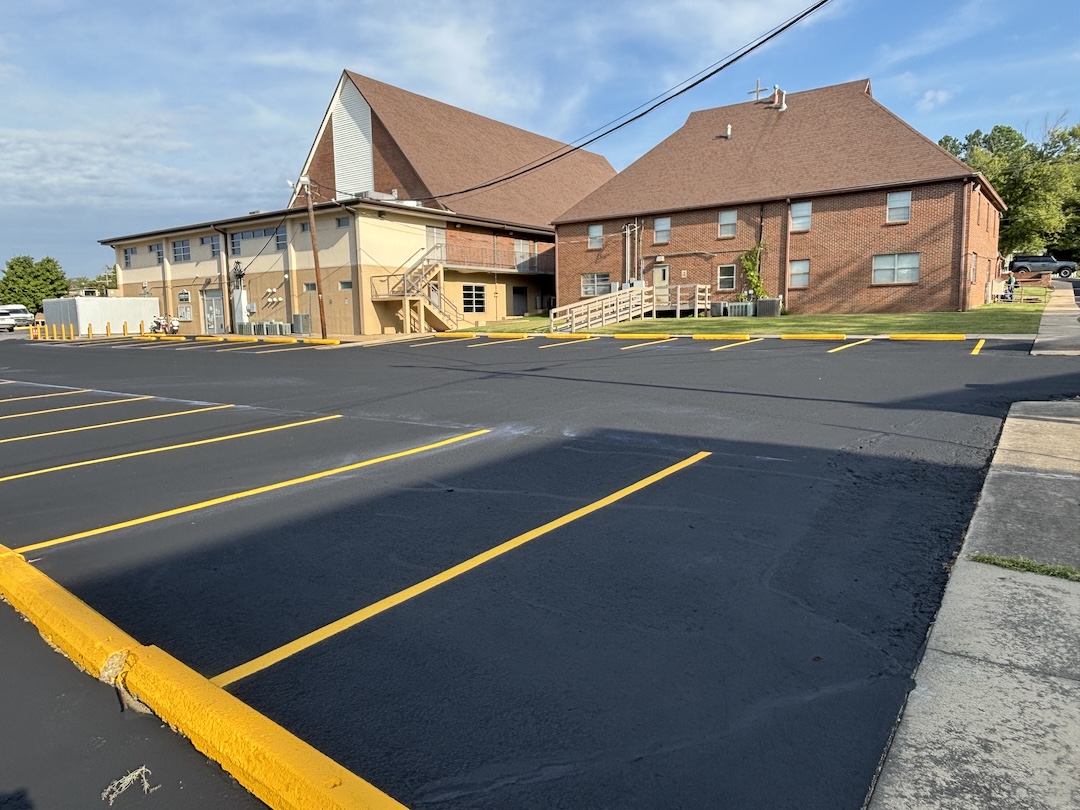
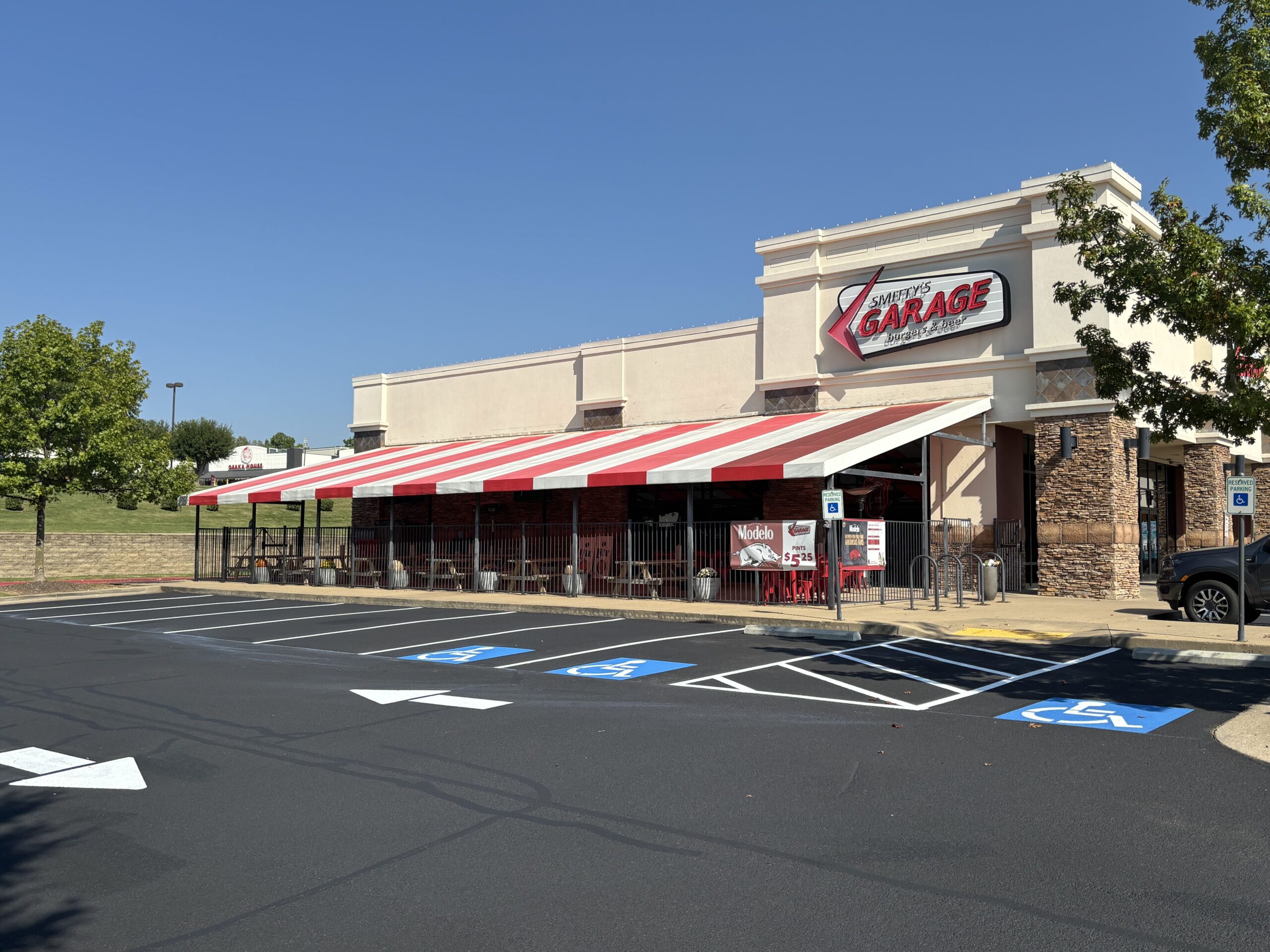
Parking lots endure constant vehicular traffic and exposure to elements, making them prone to crack formation.
- Enhanced Safety: Unsealed cracks can lead to tripping hazards, particularly in parking lots.
- Improved Aesthetics: Regular crack sealing maintains a smoother appearance, enhancing overall aesthetic appeal.
The Process of Crack Sealing
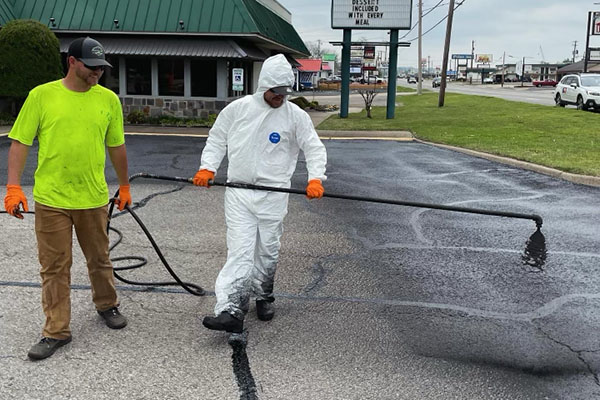
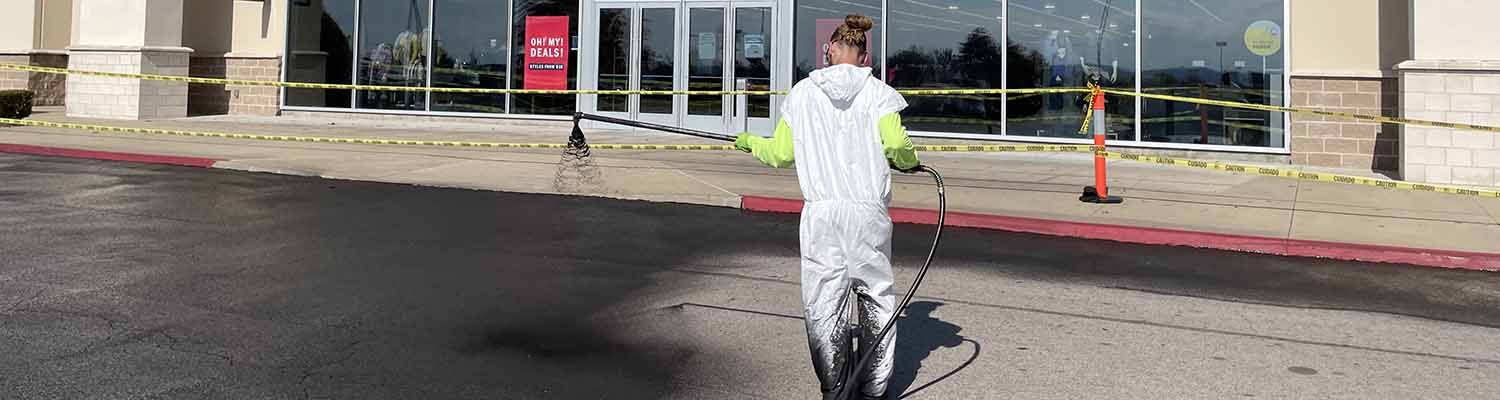
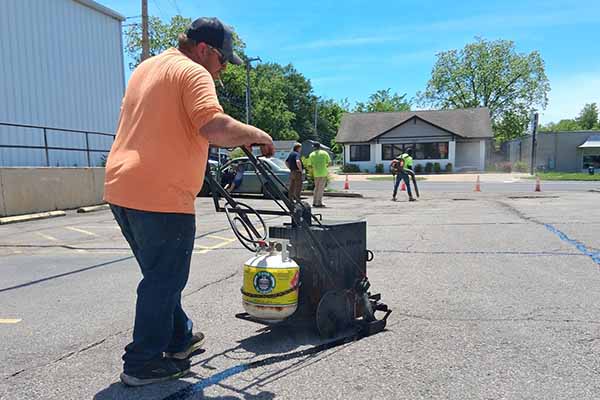
Professionals employ specialized equipment and high-quality sealants. The process involves cleaning cracks thoroughly and applying sealant for proper adhesion.
Conclusion
Crack sealing is fundamental to asphalt maintenance. It acts as a barrier against water intrusion, prevents further deterioration, enhances safety, and prolongs pavement lifespan.