
As winter bids adieu and spring emerges, it's an opportune time to turn attention to one of the most critical aspects of property upkeep—spring asphalt maintenance. The changing seasons bring a new set of challenges for pavement surfaces.

1. Repair Winter Damage
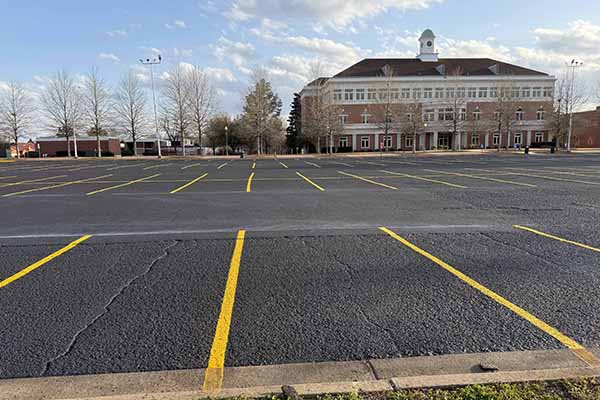
The harsh winter weather takes a toll on asphalt surfaces. Frost heaves, moisture infiltration, and temperature fluctuations cause cracks and potholes. Spring offers a window to assess and repair this damage promptly.
2. Fill Cracks and Seal Coatings
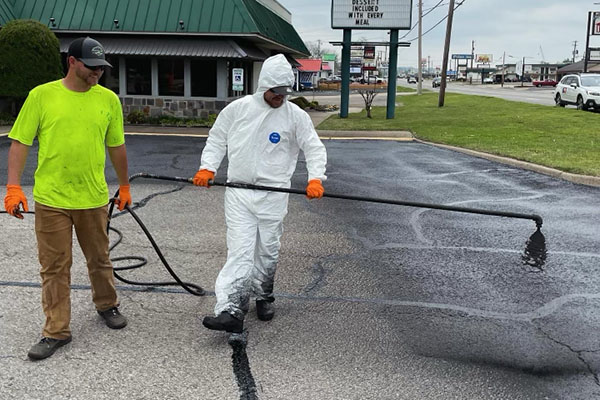
Inspect your pavement for cracks that have developed over the winter. Addressing these cracks early through filling and sealing prevents moisture penetration.
3. Clean and Clear
Winter often leaves debris, sand, and salt residue on pavements. Thoroughly cleaning these surfaces not only enhances their appearance but also prevents chemicals from further damaging the asphalt.
4. Routine Inspections
Regular inspections during spring are pivotal. Identifying and addressing minor issues before they escalate saves both time and money.
5. Consider Resurfacing or Repaving
For pavements with extensive damage, resurfacing or repaving might be necessary. Spring serves as an optimal season for such tasks.
6. Refresh Markings
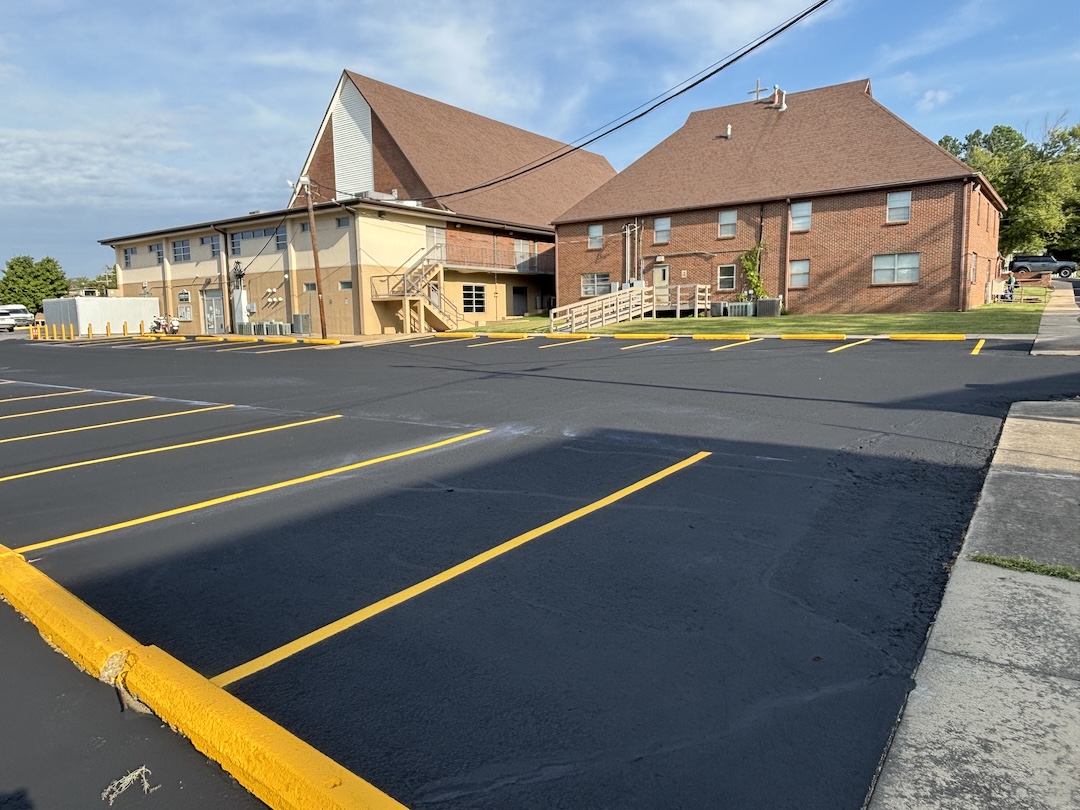
Parking lot markings and striping tend to fade over time. Spring presents an excellent opportunity to refresh these markings.
7. Weather Advantage
Spring offers ideal weather conditions for asphalt maintenance, with milder temperatures and reduced chances of precipitation.
Conclusion
Springtime asphalt maintenance is about preserving the structural integrity of your pavement. By addressing winter damage promptly and undertaking necessary repairs, you extend the life of your asphalt.