Request Estimate


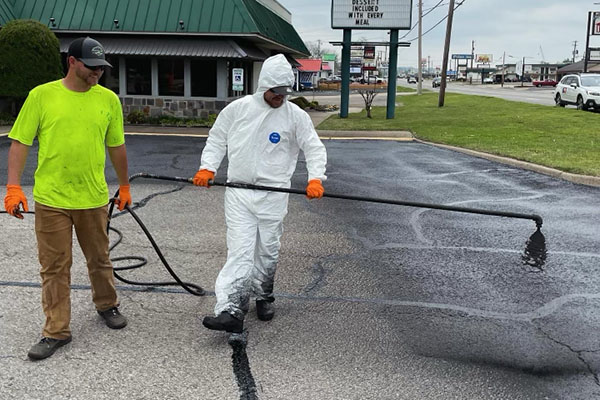
Asphalt sealcoating stands as a pivotal step in preserving and extending the life of your pavement. However, when it comes to the number of coats to apply—opting for one or two—there's a debate worth exploring.
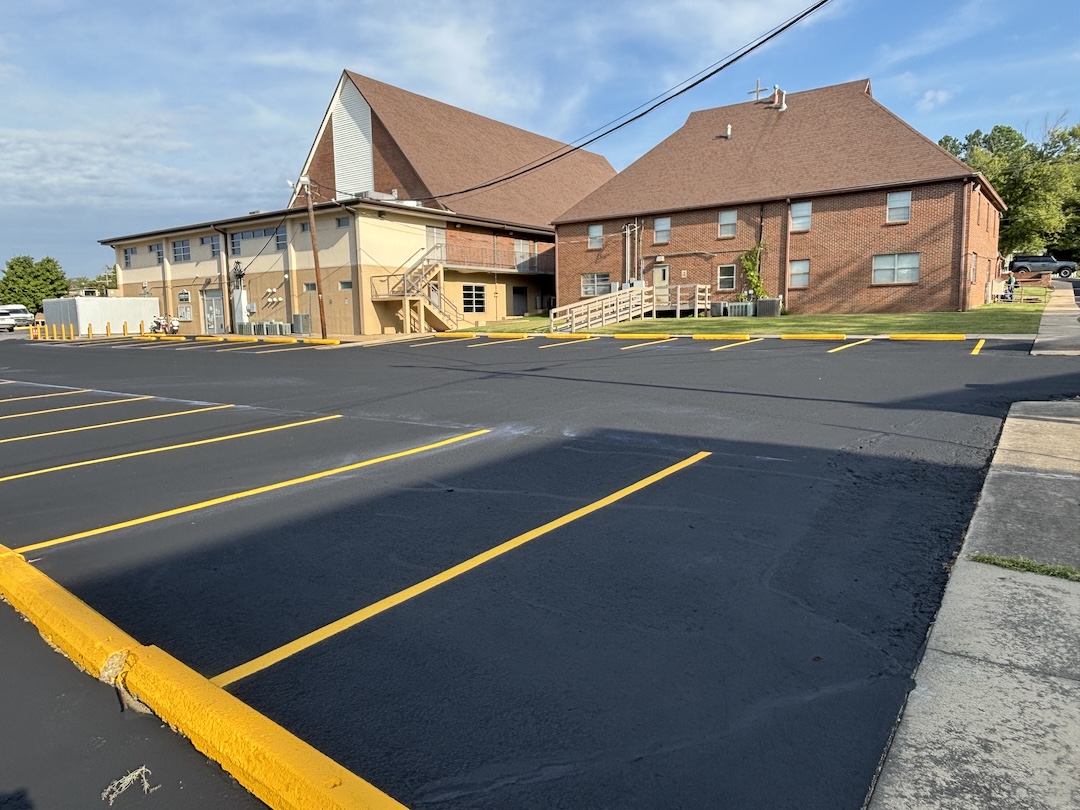
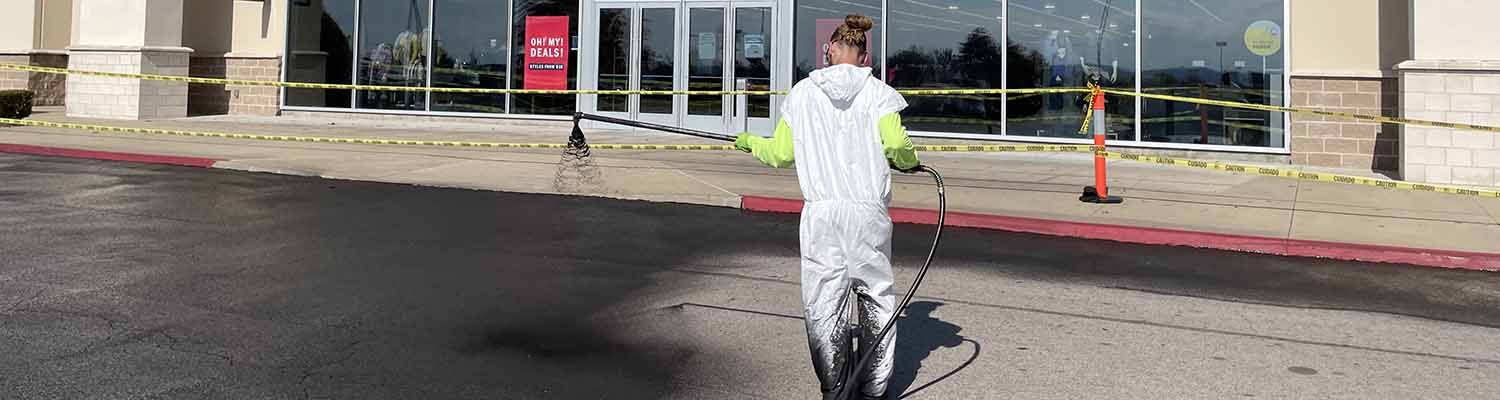
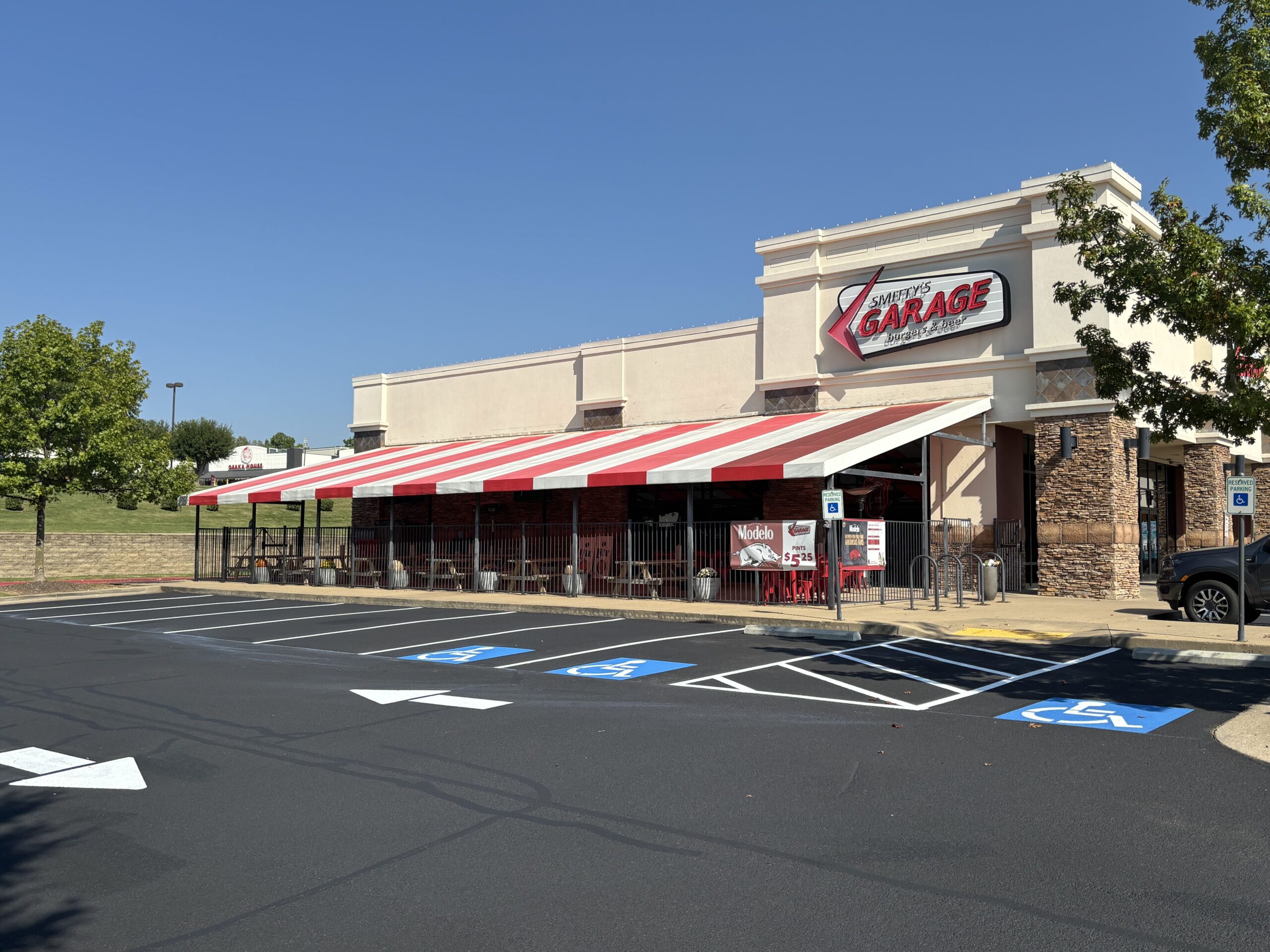
Understanding Asphalt Sealcoating Sealcoating acts as a protective barrier, shielding asphalt from harsh elements like UV rays, water, and chemicals. It enhances the surface's resilience, prevents oxidation, and restores its visual appeal.
One Coat: The Quick Fix? Applying a single coat of sealant is a common practice. It offers basic protection, improving the surface's aesthetics and providing a moderate level of defense against weathering. This option is often chosen for budgetary or time constraints.
Two Coats: A Layered Shield Opting for two coats of sealcoating offers heightened protection. The additional layer fortifies the pavement, providing enhanced defense, prolonging lifespan, and ensuring better durability.
Factors Influencing the Decision
- Current Condition: Newer asphalt may need one coat; older surfaces benefit from two.
- Traffic Volume: High-traffic areas benefit from the extra resilience of two coats.
- Climate Considerations: Regions with extreme weather benefit from additional protection.
Professional Consultation
Engaging with professionals for an assessment offers invaluable insights. They can evaluate the pavement's condition and recommend the most suitable approach tailored to your specific needs.
Conclusion
While the majority of sealcoat manufacturers recommend two coats, the choice depends on pavement condition, traffic, and climate. Consulting with experts ensures an informed decision.