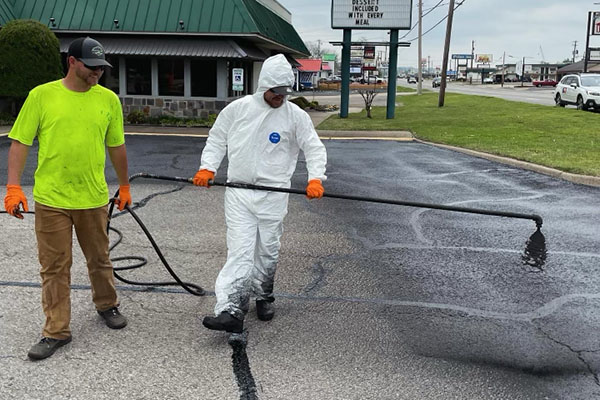
As the leaves begin to change and the temperatures drop, it's time to start thinking about preparing your property for the harsh winter months. While most people focus on tasks like winterizing their homes and vehicles, there's one critical aspect that often gets overlooked: your asphalt driveway or parking lot. Sealcoating your asphalt before winter sets in is not just a maintenance task—it's a vital step in protecting your investment and ensuring the longevity of your pavement.
Protection Against Water Damage
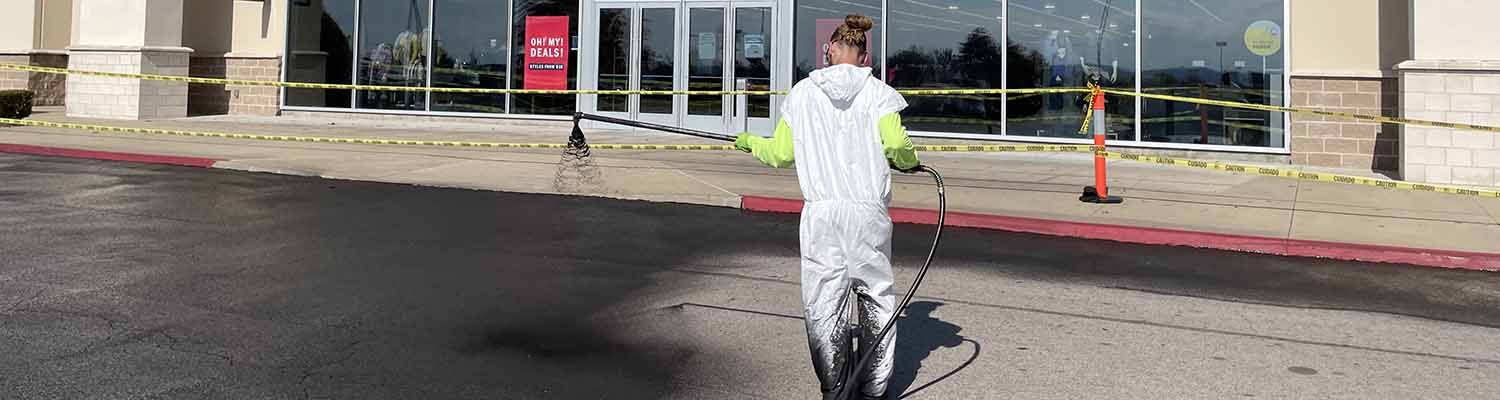
Water is one of the most destructive elements for asphalt surfaces. As temperatures drop, any water that seeps into cracks or pores in your asphalt will freeze and expand. This expansion can cause existing cracks to widen and new ones to form, leading to a deteriorating surface. Sealcoating acts as a protective barrier, preventing water from penetrating the asphalt and reducing the risk of freeze-thaw damage.
Shield Against Deicing Chemicals
In regions where snow and ice are common, deicing chemicals like salt are frequently used to keep surfaces safe. While these chemicals are effective at melting ice, they are also highly corrosive to asphalt. Over time, repeated exposure to salt can weaken your pavement, causing it to break down more quickly. Sealcoating provides a protective layer that helps to shield your asphalt from the harsh effects of these chemicals, extending its lifespan.
Prevents Oxidation
Asphalt is a petroleum-based product, which means it is susceptible to oxidation from exposure to the sun's UV rays. Over time, this exposure can cause the asphalt to become brittle and more prone to cracking. Sealcoating before winter helps to lock in the essential oils within the asphalt, preventing it from drying out and becoming brittle.
Improved Aesthetics
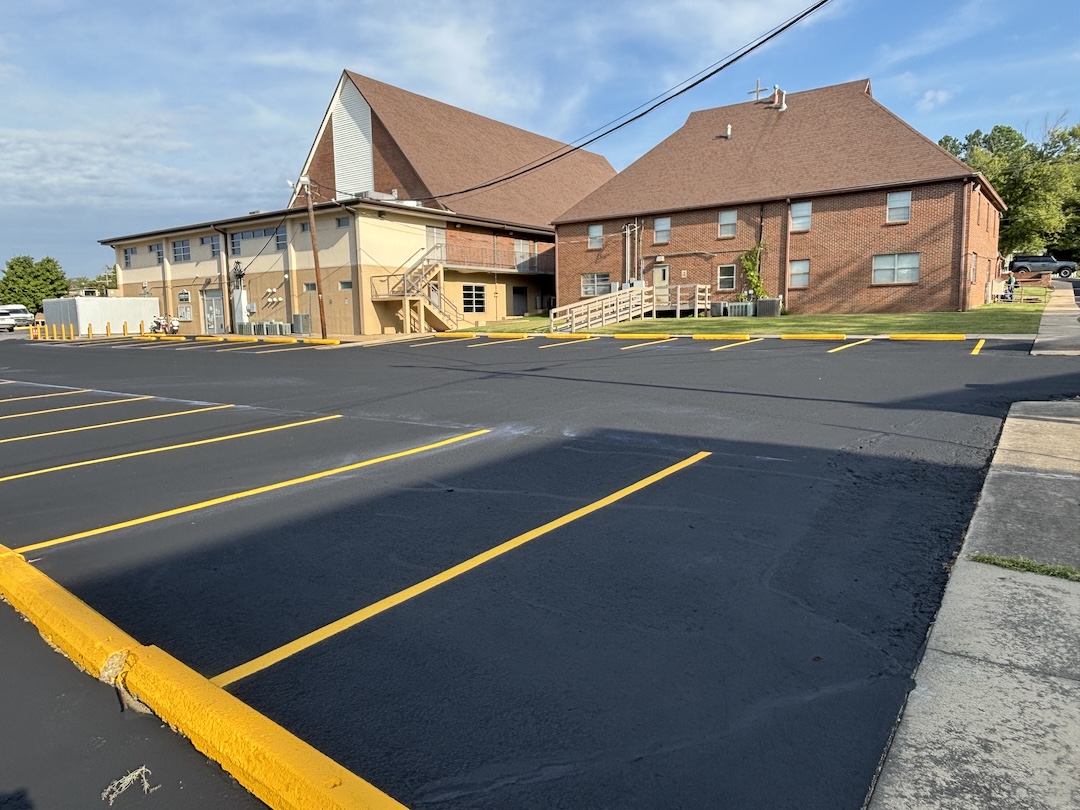
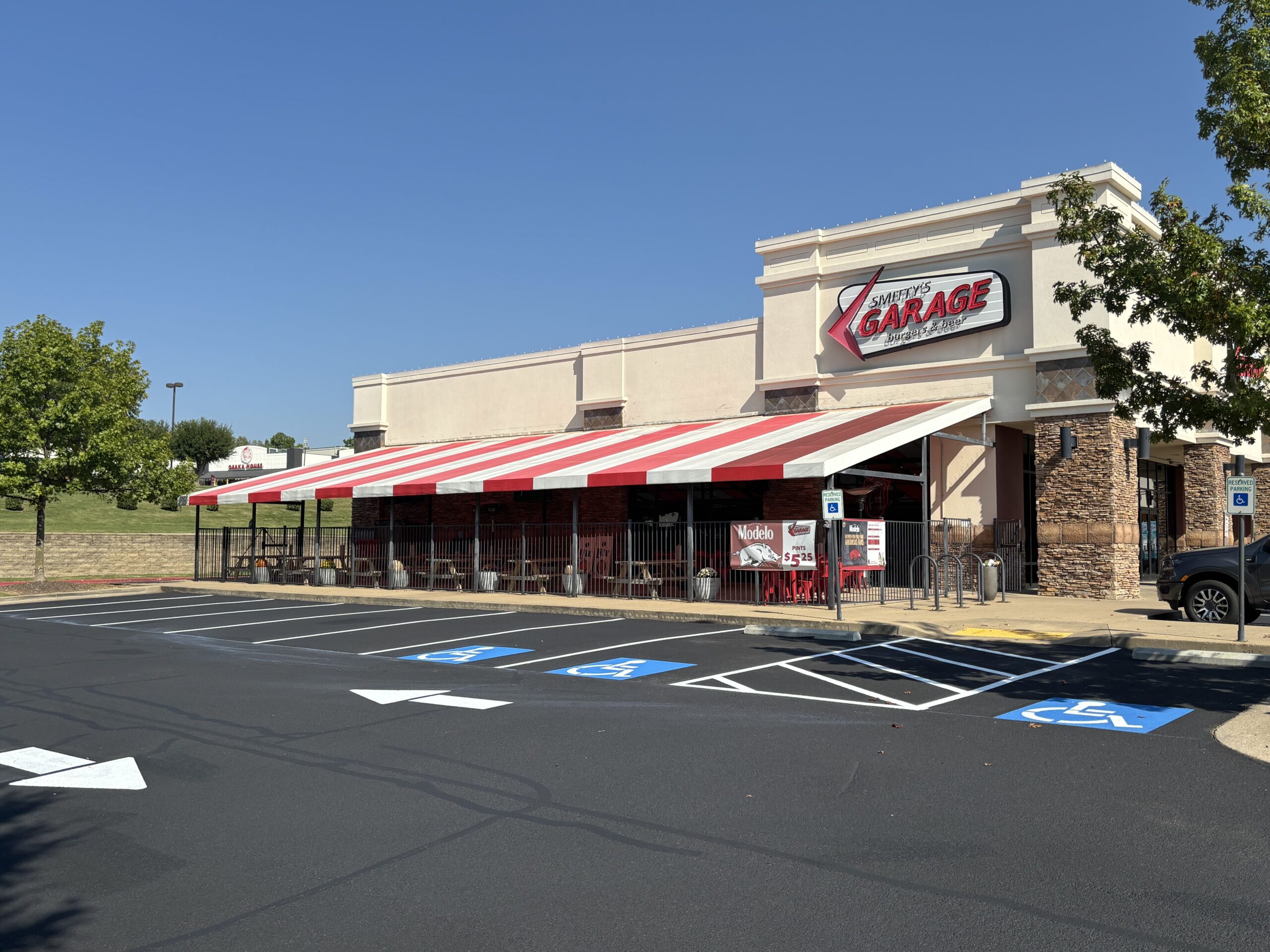
A freshly sealcoated driveway or parking lot not only looks better but also adds to the overall curb appeal of your property. The dark, rich color of a newly sealed surface can make a striking contrast against the snow, giving your property a clean and well-maintained appearance.
Cost-Effective Maintenance
While sealcoating is an investment, it is far more cost-effective than the alternatives. The cost of repairing or replacing damaged asphalt can be substantial. By applying a sealcoat before winter, you're taking a proactive approach to maintenance, helping to prevent costly repairs down the road.
Easier Snow Removal
A smooth, well-sealed surface is much easier to plow or shovel after a snowfall. Cracks and rough spots in the asphalt can catch on shovels and plows, making snow removal more difficult and time-consuming.
Conclusion
As you prepare for winter, don't forget to take care of your asphalt surfaces. Sealcoating before the cold weather hits is a simple yet crucial step in protecting your pavement from the elements. Invest in sealcoating now, and enjoy the peace of mind that comes with knowing your asphalt is well-protected.