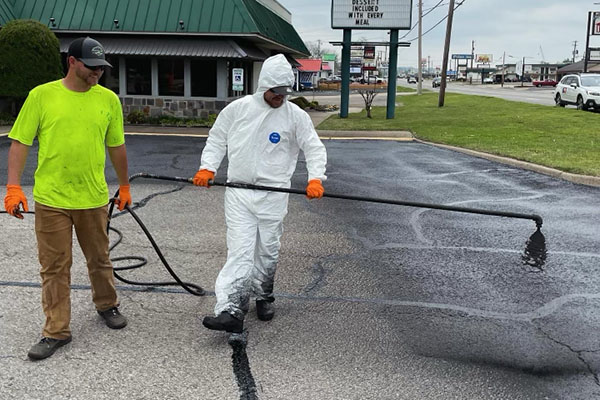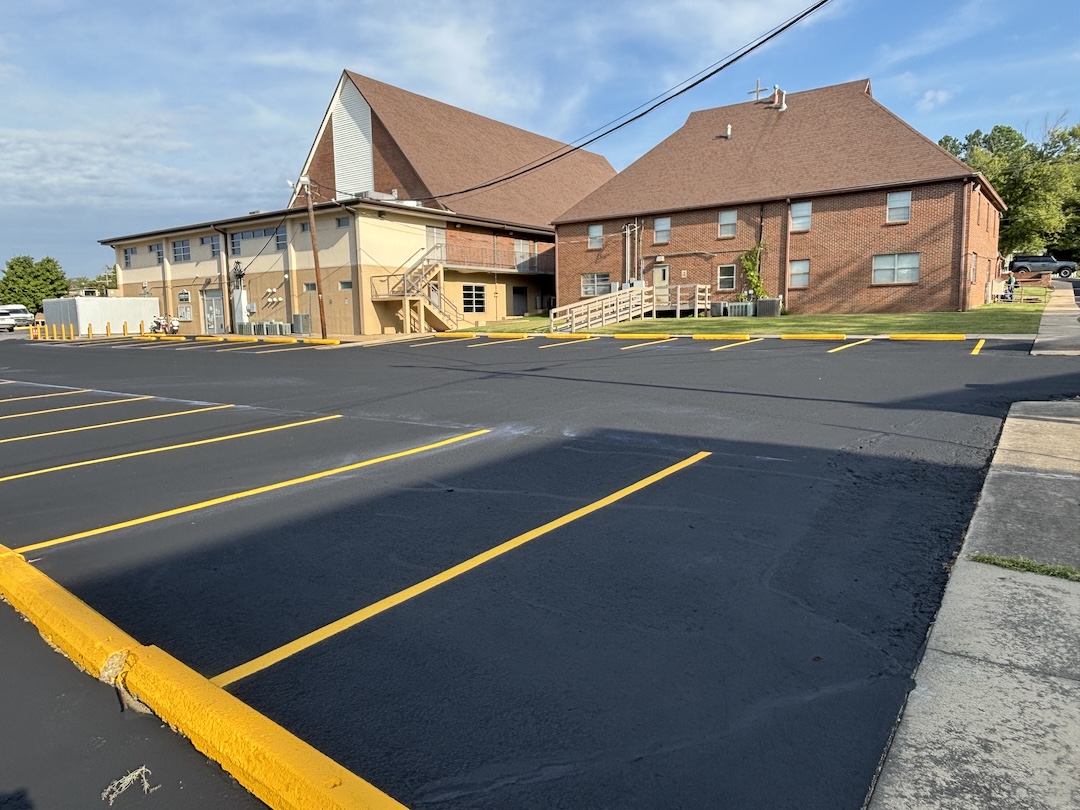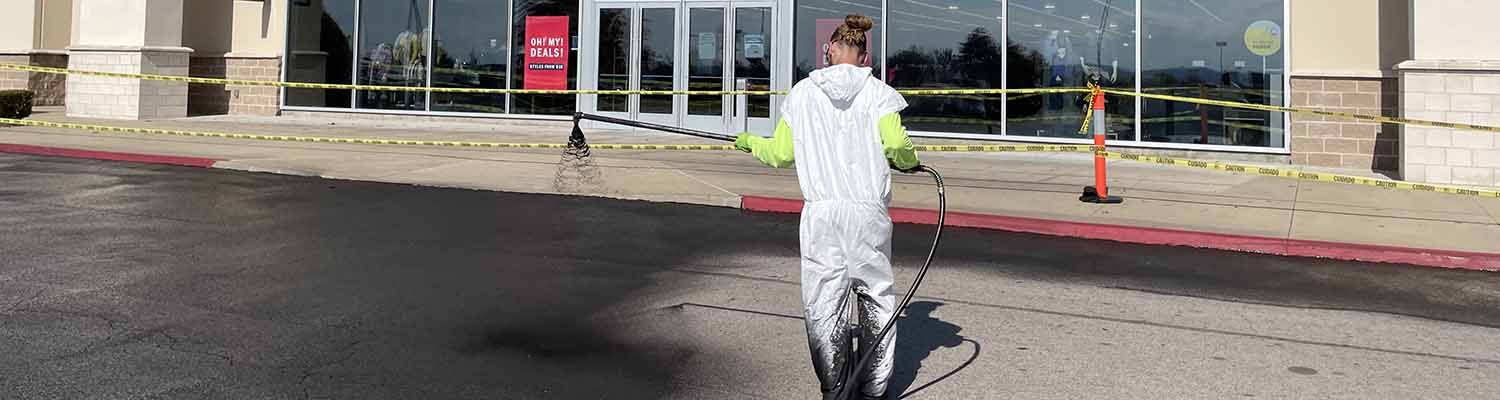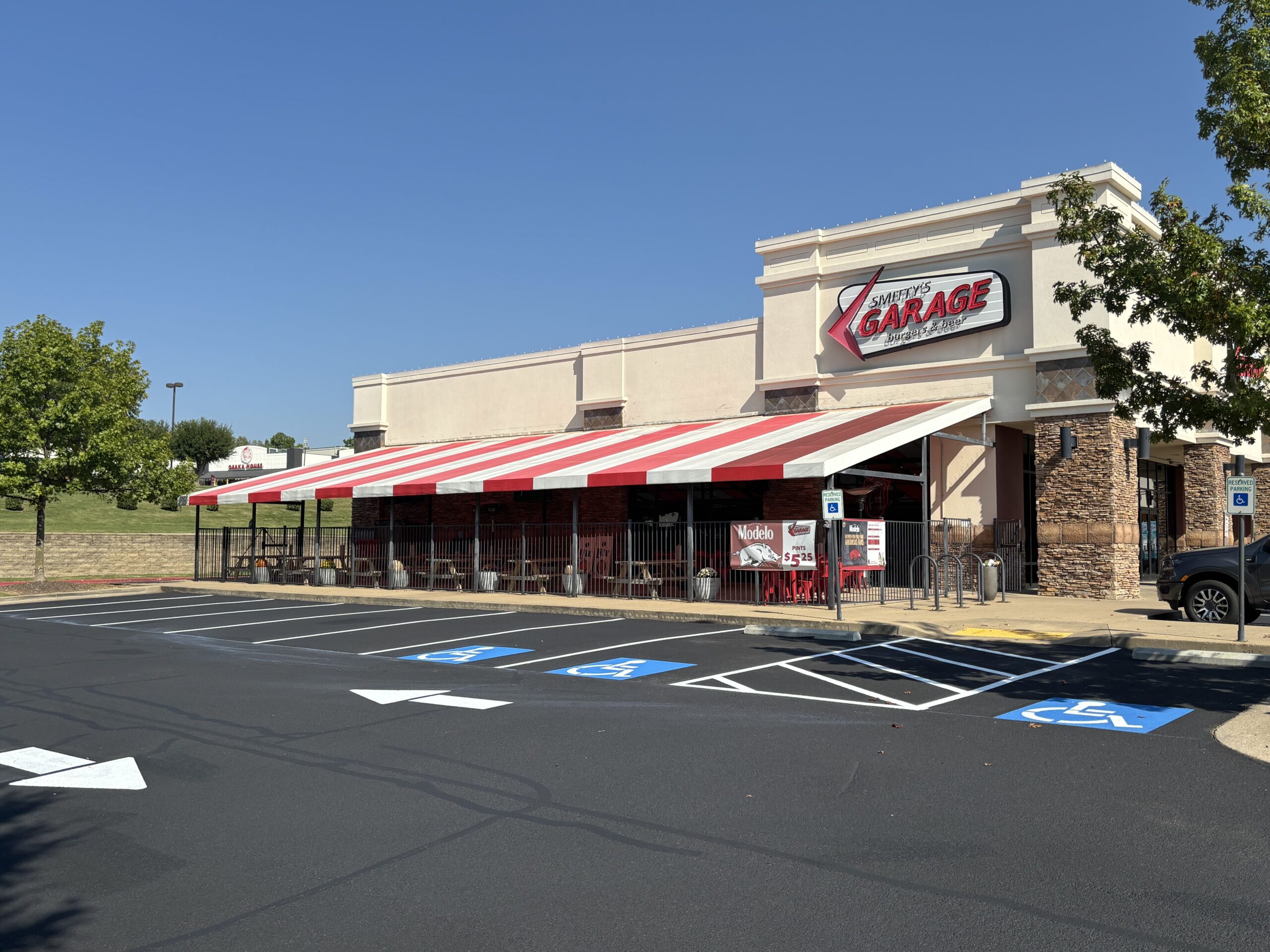
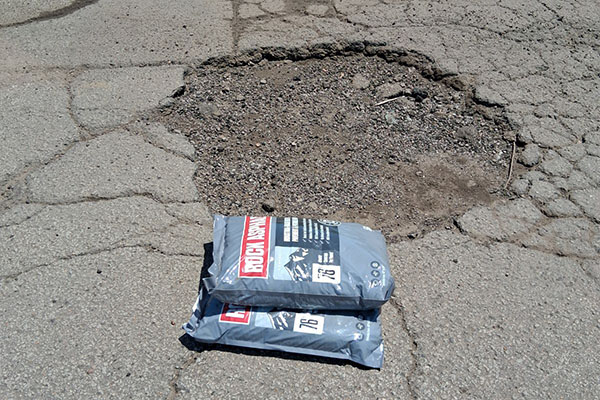
As the days grow shorter and the air turns crisp, winter is just around the corner. For property owners across Northwest Arkansas, that means one critical maintenance task shouldn't be overlooked: pothole repair.
Why Winter Makes Potholes Worse
The freeze-thaw cycle is the single biggest cause of pothole expansion. Here's what happens:
- Water seeps into existing cracks
- Temperatures drop below freezing
- Water expands as it freezes, forcing the crack open wider
- When it thaws, the gap is larger—and can hold more water
- Repeat through dozens of freeze-thaw cycles each winter
What starts as a small crack or shallow depression can become a full pavement failure by spring.
The Hidden Costs of Waiting
Delaying pothole repairs doesn't save money—it costs more:
- Vehicle damage liability: Potholes damage tires, wheels, and suspensions. Property owners can face liability claims.
- Larger repair area: A $200 patch job can become a $2,000 full-depth repair if water reaches the base course.
- ADA violations: Uneven surfaces near accessible routes create compliance issues.
What to Expect from Professional Pothole Repair
Professional repairs use either cold-patch or hot-mix asphalt depending on the size and depth of the failure. The process includes:
- Removing loose material and squaring the edges
- Cleaning and tacking the repair area
- Filling with asphalt mix in lifts
- Compacting to match surrounding grade
Act Before the First Freeze
In Northwest Arkansas, hard freezes typically begin in November. Schedule your pothole repairs in September or October to ensure proper material curing before temperatures drop.