Request Estimate
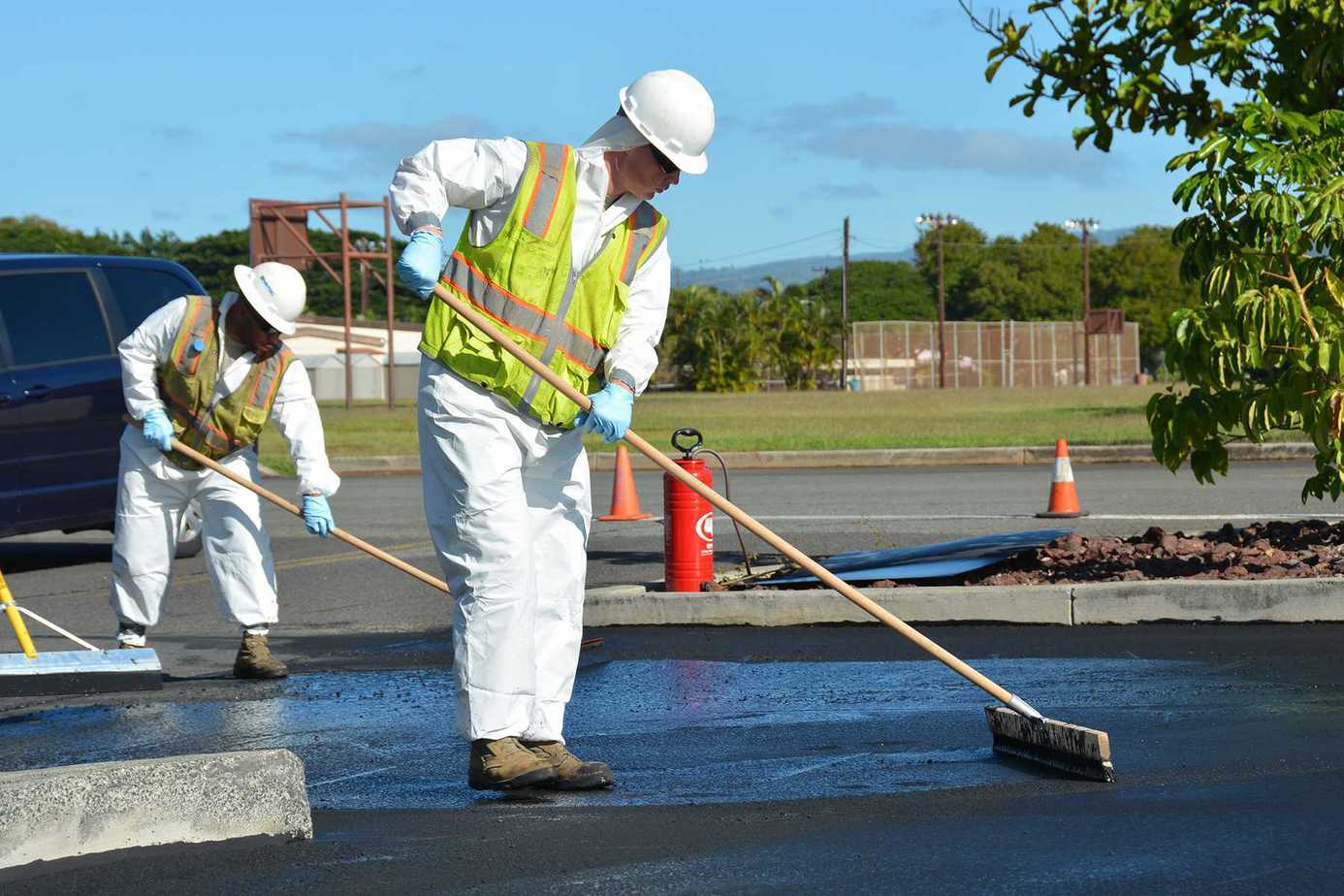
Asphalt is a significant investment for any property, serving as the backbone for parking lots, driveways, and roads. Ensuring its longevity and durability is crucial, and one effective method to achieve this is through pavement sealcoating.
Understanding Pavement Sealcoating
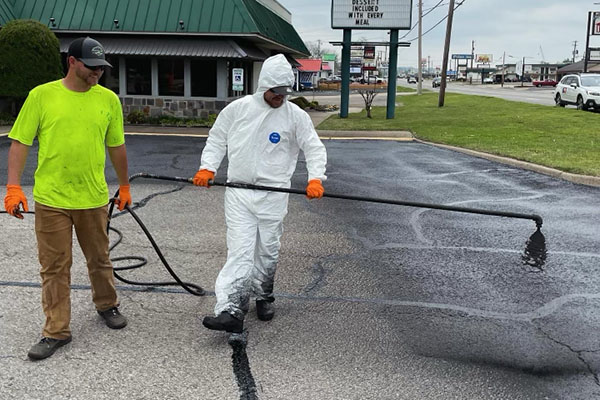
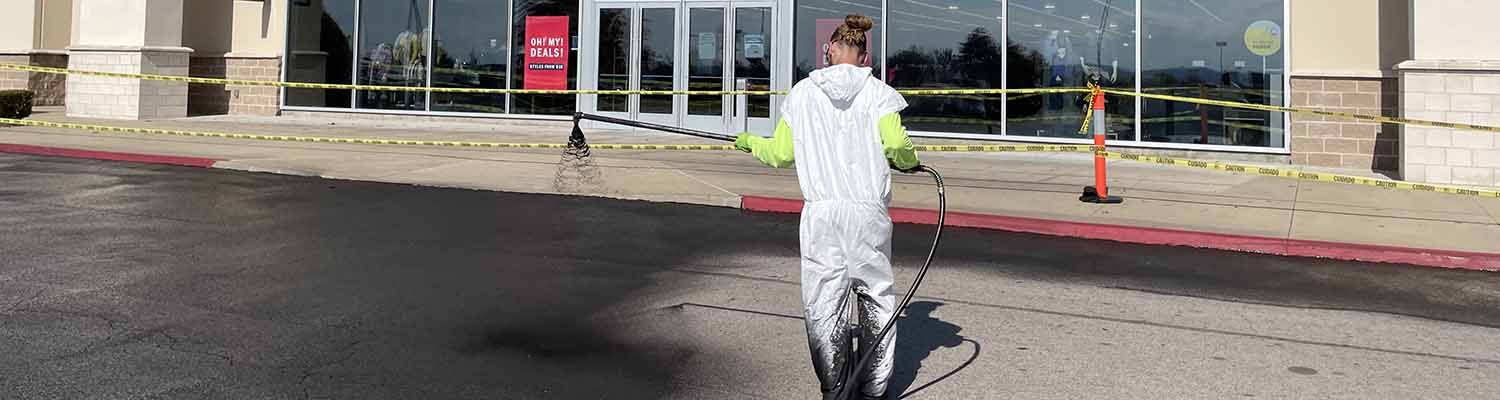
Pavement sealcoating involves applying a protective layer to asphalt-based pavements to shield them from damage caused by water, oils, and UV rays.
The Benefits of Pavement Sealcoating
Protection Against the Elements UV rays can oxidize the asphalt, causing it to become brittle and crack. Water can penetrate the asphalt, leading to potholes during freeze-thaw cycles. Sealcoating provides a waterproof barrier.
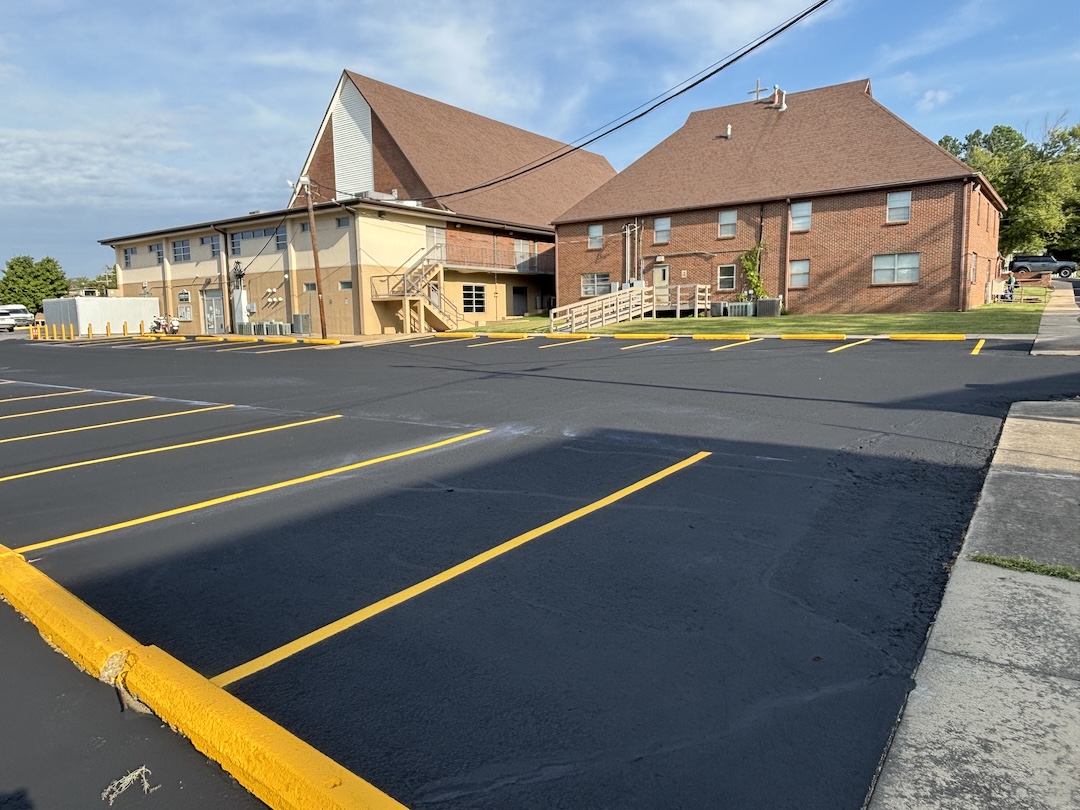
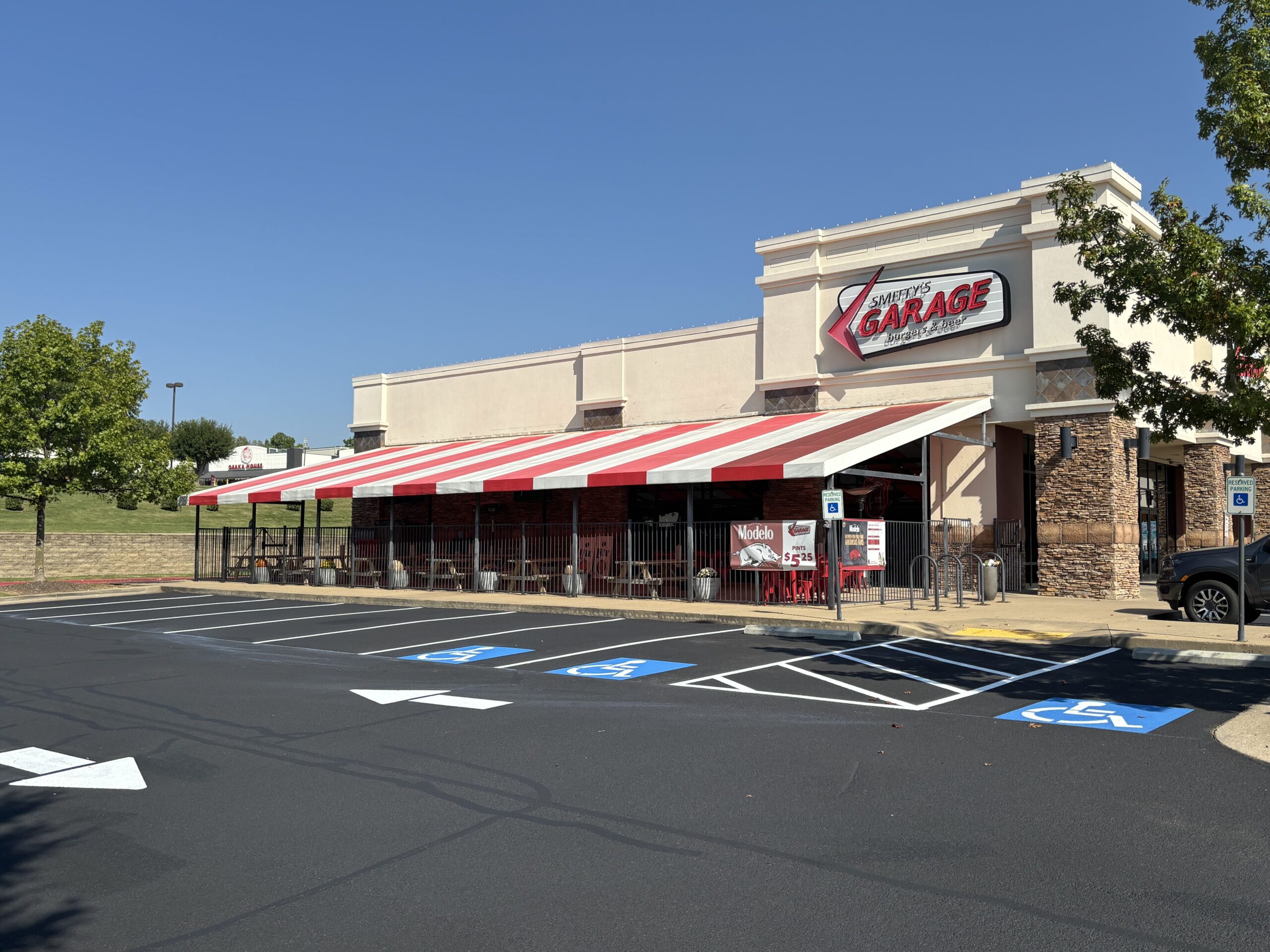
Enhanced Aesthetics Sealcoating refreshes the look of asphalt, giving it a dark, rich color that enhances overall appearance and property value.
Cost-Effectiveness By extending the life of the asphalt, sealcoating significantly reduces the need for expensive repairs and replacements.
Resistance to Oils and Chemicals Sealcoating includes additives that resist oil, gasoline, and other vehicle fluids from damaging the pavement.
Ease of Maintenance Sealcoated surfaces are smoother and easier to clean. Debris and rainwater wash away more easily.
Best Practices for Pavement Sealcoating
- Proper Timing: Best when pavement is relatively new and in good condition.
- Quality Materials: High-quality sealcoating materials make a significant difference.
- Professional Application: Ensures even coverage and proper adhesion.
- Regular Maintenance: Regular cleaning and checking for touch-up areas.